
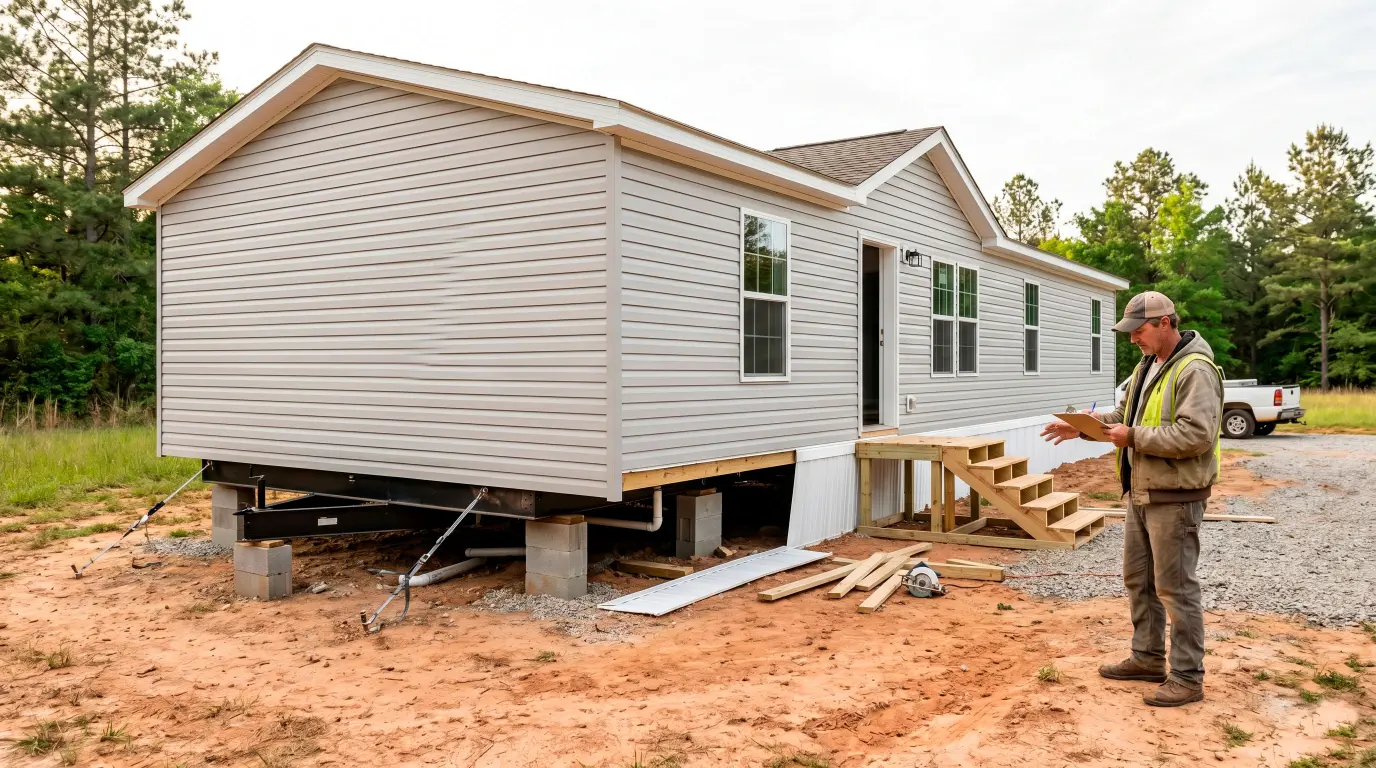
A failed final inspection can feel like the whole project just stopped. You may have a manufactured home on the property, a move-in date on the calendar, utilities nearly ready, and people asking when everything will be finished. Then the inspector leaves a correction list, and suddenly the next step is unclear.
The most important thing to know is this: a failed final inspection is usually not the end of the project. It is a list of items that must be corrected before the home can receive the next approval, sign-off, or reinspection result. The faster you turn that list into a clear plan, the faster you can recover.
This guide walks through what to do when your manufactured home failed final inspection, how to understand the correction notes, and how to prepare for reinspection without guessing.
First, Do Not Panic: A Failed Inspection Is a Correction List
When homeowners hear the word “failed,” they often imagine a major structural problem or a project that has to start over. Sometimes the issue is serious, but many failed inspection results come down to incomplete work, missing documentation, access problems, utility coordination, under-home corrections, or site conditions that need to be adjusted before final approval.
Treat the result like a punch list. Your job is to identify exactly what failed, who is responsible for correcting it, what order the work needs to happen in, and what evidence should be ready for the inspector next time.
Do not rely on secondhand summaries like “the inspector did not like the setup” or “something under the home was wrong.” Those statements are too vague to fix. You need the exact correction language.
Get the Exact Failure Notes Before Anyone Starts Guessing
Before you call three different contractors or start moving materials around, get the written inspection notes. Ask for the official correction list, inspection report, permit comments, or failed inspection notice. If the inspector gave verbal feedback, write it down immediately and ask how to confirm the required corrections in writing.
Look for specific phrases. The notes may mention anchoring, blocking, pier spacing, utility connection, steps, landing, guardrail, skirting, access panel, grading, drainage, electrical disconnect, data plate, permit posting, or missing documentation. The more exact the language, the easier it is to avoid rework.
If the notes are unclear, call the inspection office or ask the inspector for clarification. The goal is not to argue. The goal is to understand what must be corrected before reinspection. A short clarification call can prevent days of guessing.
Separate the Failure Items Into Practical Buckets
Once you have the notes, sort them into buckets. This makes the problem smaller and helps you decide who to call first.
- Setup and under-home items: blocking, piers, anchoring, leveling, vapor barrier, access, crossover connections, or under-home clearance.
- Utility items: electrical, plumbing, HVAC, water, sewer, septic, service disconnects, or incomplete connections.
- Site items: grading, drainage, driveway access, erosion concerns, safe walking paths, or required clearance around the home.
- Exterior completion items: skirting, steps, decks, porches, landings, handrails, guardrails, or access panels.
- Documentation items: permit card, installation labels, home information, engineer letters, lender requirements, or missing inspection paperwork.
A failed inspection may include more than one bucket. That matters because one contractor may not be responsible for every item. A setup contractor may address anchoring or leveling. An electrician may need to address electrical corrections. A deck builder may need to finish steps or landings. A county or local authority may need specific paperwork before reinspection can be scheduled.
Common Reasons Manufactured Homes Fail Final Inspection
Every project is different, and local requirements can vary. Still, many failed final inspections fall into a few predictable categories.
Under-Home Setup, Blocking, Anchoring, and Access Issues
Under-home issues are common because the final inspection often verifies whether the home is properly supported, leveled, secured, and accessible. Correction notes may mention piers, footings, blocking, tie-downs, anchors, straps, crossover connections, vapor barrier, under-home clearance, or missing access panels.
These items are not cosmetic. They relate to the stability and installation of the manufactured home. If the failure note points under the home, avoid quick patchwork. The correction should be reviewed by the right setup or installation professional so the reinspection does not fail for the same issue again.
Skirting, Steps, Decks, Porches, and Exterior Completion Items
Final inspections can also fail because the home is not safely accessible or exterior completion items are not ready. Steps, landings, porches, guardrails, handrails, skirting, crawlspace access, and door access can all become inspection issues depending on the project and local requirements.
A common mistake is assuming these items can wait until after final. In some situations, they may be required before approval or occupancy. Ask whether the issue is a safety item, an access item, a code-related item, or a local requirement tied to final approval.
Utilities, Electrical, Plumbing, HVAC, and Service Connections
A manufactured home may be physically set but still fail inspection because utilities are incomplete or not ready for review. Electrical service, water, sewer or septic, gas, HVAC crossover, plumbing connections, and disconnect locations can all create delays.
Utility-related correction notes often require coordination between multiple parties. Do not assume the setup crew, electrician, plumber, utility provider, and county office are all operating on the same timeline. Confirm who owns each correction and whether one fix must happen before another inspection can be scheduled.
Grading, Drainage, Access, and Site Safety Concerns
A home site can look finished from the road but still create inspection concerns. Poor drainage under or around the home, soft ground, unsafe access, steep approaches, standing water, erosion, or incomplete grading can affect the final result.
These site issues matter because a manufactured home installation depends on more than the home itself. The site has to support delivery, setup, drainage, safe access, and long-term stability. If grading or drainage appears in the correction notes, address it before reinspection instead of hoping it will be overlooked.
Missing Documents, Permits, Labels, or Inspection Access
Sometimes the work is mostly complete, but the inspection fails because the inspector could not verify something. The permit may not be posted where expected. The installation documentation may not be available. The inspector may not have access under the home. A required label, data plate, engineer letter, or lender-related document may be missing.
Documentation failures are frustrating because they can feel avoidable. The fix is to create a simple reinspection folder: permit information, correction list, photos of completed corrections, contractor notes, contact names, and any documents the inspector or lender requested.
Who Should Fix What After a Failed Inspection
The fastest recovery comes from assigning responsibility correctly. Do not ask one person to fix everything unless the scope truly belongs to that person.
Setup and installation corrections may belong with the manufactured home setup contractor. Utility corrections may require licensed electrical, plumbing, HVAC, septic, or utility professionals. Deck, porch, stair, handrail, or landing issues may require the contractor responsible for those improvements. Documentation issues may involve the dealer, installer, homeowner, lender, engineer, or local office.
If you are not sure, ask the inspector or project coordinator which trade is expected to address each item. Then send the exact correction language to that trade. A photo of the failed inspection note is more useful than a vague text message.
How to Plan the Reinspection So You Do Not Fail Twice
Do not schedule reinspection just because someone says, “We fixed it.” Verify first. Walk the list line by line and confirm that every correction has been completed, documented, and made accessible for inspection.
Take photos before covering anything up, especially under-home corrections, anchoring, piers, vapor barrier, utility connections, and access points. If a skirting panel or access panel must be opened for inspection, make sure it can be opened. If the inspector needs safe access to the panel box, crawlspace, exterior connections, or all sides of the home, make sure those areas are not blocked.
A good reinspection plan includes the correction list, who fixed each item, photos of the fix, any required documents, and confirmation that the site will be unlocked and accessible. Reinspection should be scheduled when the project is ready, not when everyone is tired of waiting.
What the Timeline May Look Like After Failing Inspection
The timeline after a failed inspection depends on the type of failure. A missing document or permit posting issue may be resolved quickly once the right paper is available. A simple access or skirting correction may take a short site visit. Utility corrections may depend on trade availability, utility provider schedules, or additional inspection steps. Under-home setup, anchoring, drainage, or foundation-related corrections may require more planning.
The key is to separate urgent items from dependent items. For example, if a utility connection cannot be inspected until an access issue is corrected, fix access first. If skirting blocks the inspector from seeing under-home corrections, keep the required access available. If a lender is waiting on final approval, send updates that are factual and documented rather than optimistic guesses.
In other words: sequence the recovery. Trying to solve everything at once without a plan can create more delays.
A Homeowner Triage Checklist
Use this checklist after a manufactured home failed final inspection:
- Get the written failure notes or correction list.
- Highlight the exact language for each failed item.
- Sort each item by category: setup, utility, site, exterior, or documentation.
- Ask who is responsible for each correction.
- Send each contractor the exact correction language, not a summary.
- Take photos before and after corrections, especially under the home.
- Confirm permits, documents, labels, and access points are ready.
- Walk the site before reinspection and check every item line by line.
- Do not reschedule reinspection until the correction list is actually complete.
- Keep copies of all notes, photos, and approvals for your records, lender, or future sale.
When to Call a Setup Contractor Quickly
Call a manufactured home setup contractor quickly if the failed inspection mentions blocking, leveling, anchors, straps, piers, under-home access, vapor barrier, drainage under the home, crossover connections, or installation-related corrections. These items are closely tied to the way the home is installed and secured.
Superior Mobile Home Setup works with Georgia manufactured home transport, setup, installation, leveling, anchoring, and related site-readiness issues. If your inspection failure involves the setup side of the project, the right next step is to gather the correction notes and request a clear scope based on what the inspector actually wrote.
The goal is not to guess your way through reinspection. The goal is to correct the right items in the right order and give the inspector what they need to verify the work.
Final Takeaway
A failed final inspection is stressful, but it is manageable when you treat it as a correction plan. Get the exact notes. Sort the issues. Assign responsibility. Fix items in the right order. Document the corrections. Then schedule reinspection when the site is truly ready.
The biggest mistake is guessing. The better approach is to use the inspector’s language, coordinate the right people, and keep the project moving with facts instead of frustration.
FAQ
What causes a manufactured home to fail final inspection?
Common causes include under-home setup issues, anchoring or blocking concerns, incomplete utility connections, unsafe steps or landings, missing skirting access, drainage problems, missing permits, missing documents, or lack of inspection access. The exact cause should come from the written correction notes.
How do I pass reinspection after my manufactured home failed final inspection?
Start with the official correction list. Fix each item, document the work with photos or paperwork, confirm access for the inspector, and schedule reinspection only when every listed correction is complete. Do not rely on verbal summaries if written notes are available.
Are under-home issues serious during manufactured home inspection?
They can be. Under-home issues may involve support, leveling, anchoring, vapor barrier, drainage, access, or utility crossover connections. Because these items affect installation quality and inspection readiness, they should be reviewed by the right setup professional.
Can skirting or porch work cause a failed inspection in Georgia?
Yes, depending on the project and local requirements. Skirting, access panels, steps, decks, porches, handrails, guardrails, and landings may be reviewed during final inspection. Ask the inspector which exterior items are required before reinspection or occupancy approval.
How long does it take after a manufactured home fails final inspection?
The timeline depends on what failed. Missing paperwork may be resolved quickly, while utility, site, drainage, anchoring, or under-home corrections can take longer. The fastest path is to clarify the exact correction list, assign each item to the right party, and avoid scheduling reinspection before the site is ready.
RELATED LINK: