Document before removal
Photos, labels, measurements, home records, section identification, connection details, and visible condition help the team plan. Existing damage or improvised changes should be recorded before work starts.

Moving Service
Organized disassembly before transport and reassembly on site.
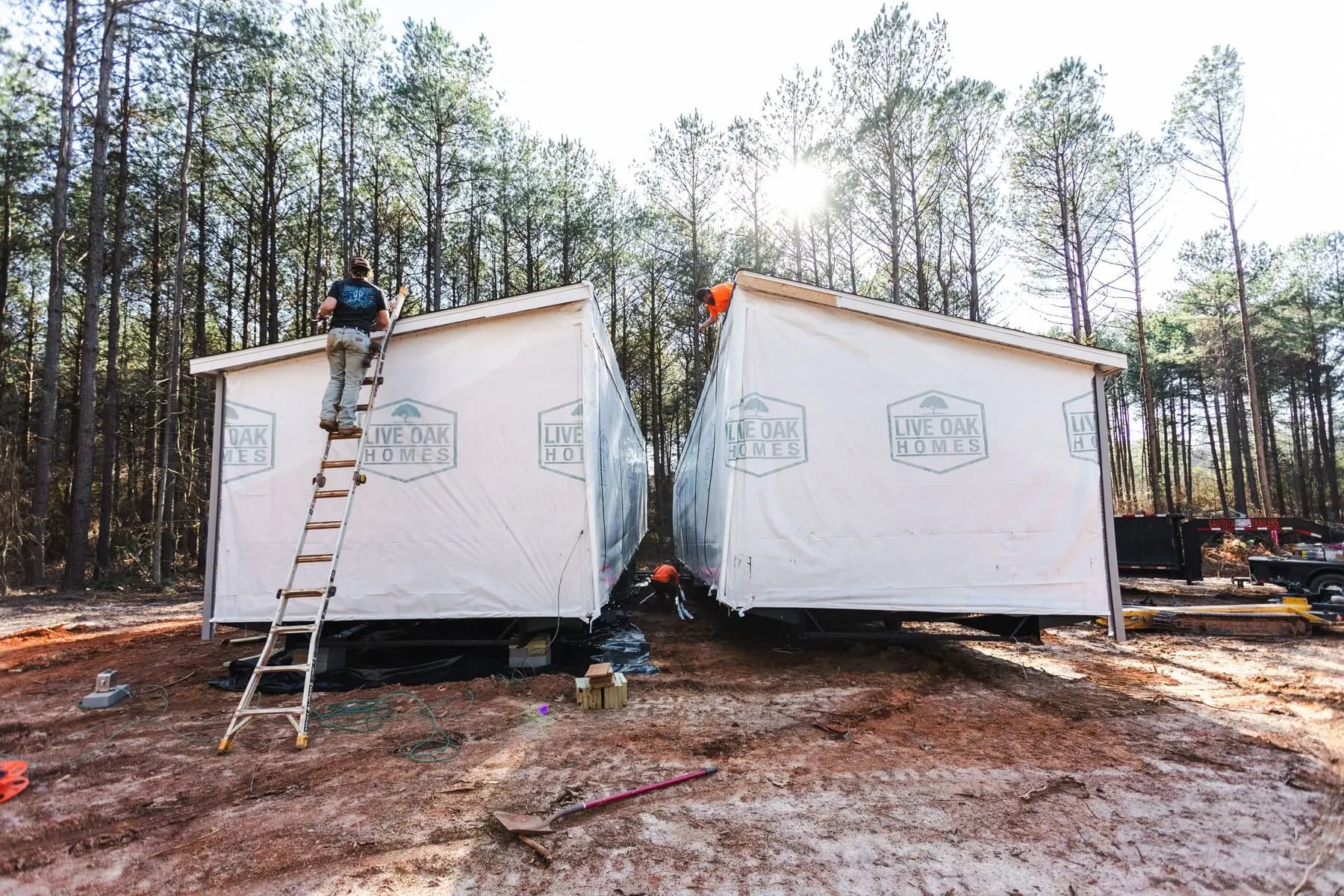
Take apart with the rebuild in mind
Mobile home disassembly and reassembly in Georgia connects the teardown at one property with the setup at another. A multi-section home, attached structure, utility connection, roof closure, marriage line, skirting system, support system, or added feature may need to be released in a particular order before the home can travel.
Superior approaches removal with the destination in mind. We document the home, identify what belongs to our scope, protect reusable parts when practical, prepare sections for movement, and coordinate the handoff into loading and hauling. At the new site, placement, alignment, support, connection, anchoring, and remaining trade work follow a defined plan rather than a pile of unlabeled pieces.
Ordered teardown sequence
Travel-ready section preparation
Reassembly tied to site setup
Let’s get started
Tell us about your home, the services you need, and where your project is located.
What the work involves
The crew needs to know what can be reused, what must be replaced, what another trade owns, and how each removed part relates to the destination plan.
Photos, labels, measurements, home records, section identification, connection details, and visible condition help the team plan. Existing damage or improvised changes should be recorded before work starts.
Porches, decks, awnings, skirting, steps, additions, utility connections, and landscaping may involve other trades or customer work. Their removal should open access without damaging the home or blocking equipment.
Marriage-line components, roof areas, structural connections, supports, anchors, tie-downs, openings, loose materials, and travel protection are handled according to the home's needs and agreed scope.
Reassembly depends on correct orientation, foundation or support readiness, section alignment, connection details, weather protection, anchoring, utilities, and finish work. Each responsibility needs a named owner.
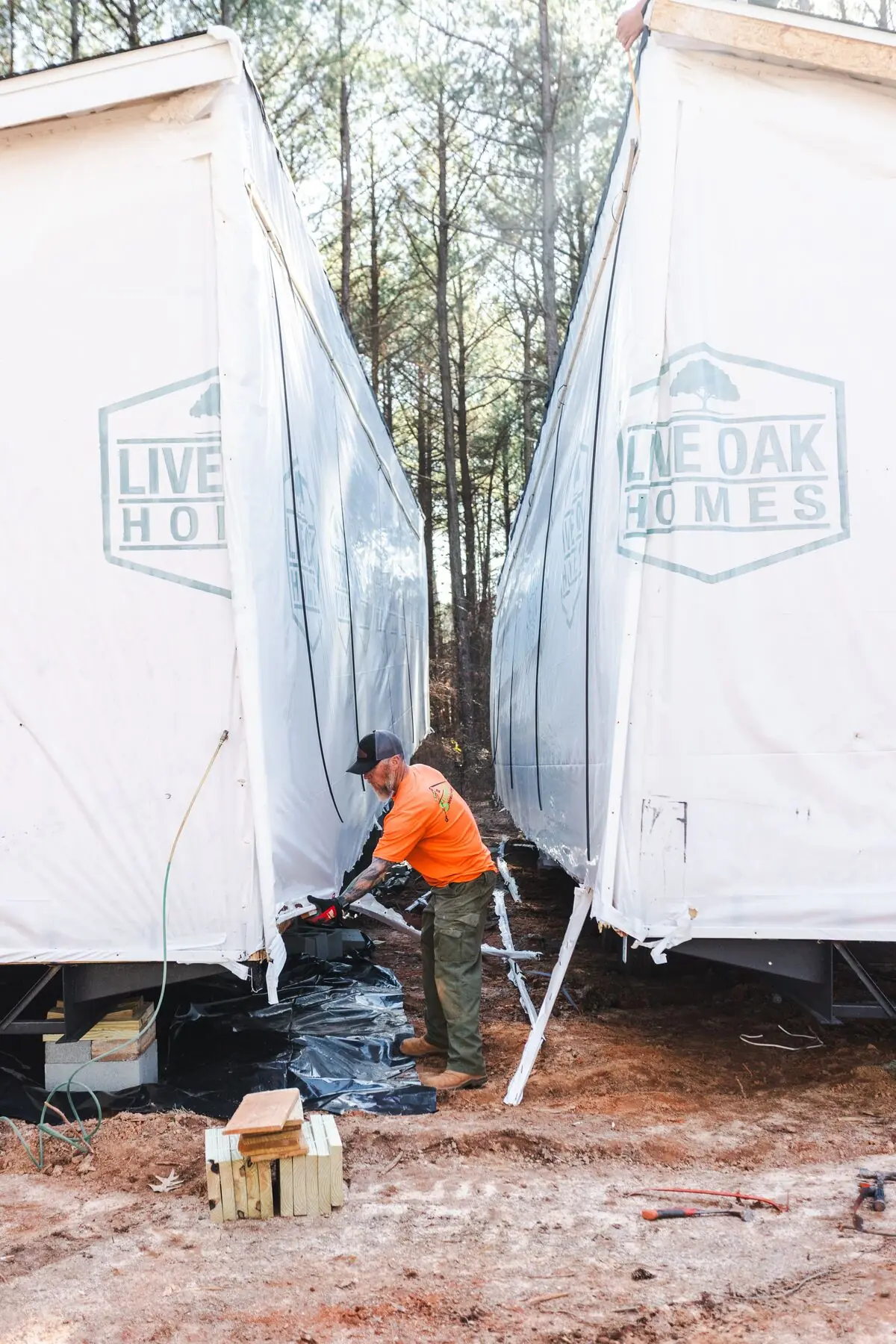
Before field day
The current home should be cleared for safe work. Personal belongings, exterior items, utility responsibilities, additions, hazardous conditions, access limits, and fragile finishes need discussion. Older homes may hide rot, rust, leaks, weak framing, or past changes behind trim and skirting. New findings can affect whether parts are reusable and how the structure is braced for travel.
The destination should have approved access, grading, support or foundation work, drainage, and room for sections and equipment. Reassembly materials and other trades should be scheduled around the actual set sequence. If the home will wait between teardown and setup, the project also needs a plan for storage, weather protection, security, and the condition of components at handoff.
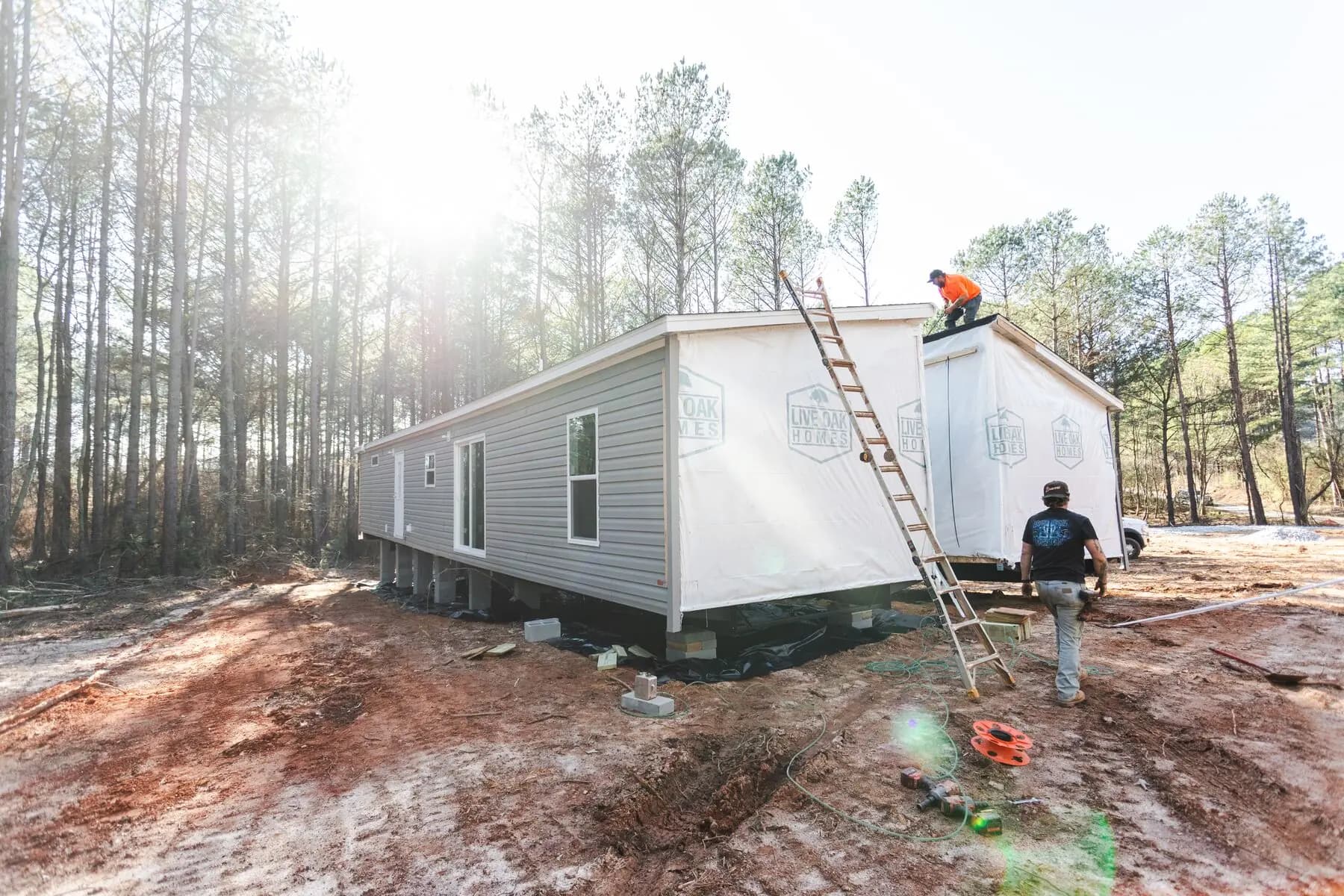
Our working sequence
A clear sequence keeps office planning connected to the crew, equipment, home, and site. The exact scope changes by job, but these are the main checkpoints.
We gather section, structure, attachment, utility, support, site, and condition information before deciding what disassembly work belongs in scope.
Exterior items, utility handoffs, connection work, supports, anchors, bracing, openings, and equipment access are organized into a safe sequence.
Sections and reusable components are secured, protected, identified, and positioned for controlled loading according to the hauling plan.
At the ready destination, sections are placed in their planned orientation and brought into the setup sequence without blocking later equipment or trades.
Superior completes the stated connection or setup tasks, then reports remaining structural, weather, utility, inspection, or finish responsibilities.
Questions about the job?
A quick conversation can clarify the likely scope, the information we need, and whether the home and site are ready for the next step.

Made for Georgia conditions
A home may have gained a porch, room addition, metal roof, masonry, replacement siding, tile, plumbing changes, or improvised support since its first installation. Some changes are obvious; others appear only after disassembly begins. Superior asks direct questions and leaves room in the plan for condition discoveries that could not be seen earlier.
Our in-house welding capability can help with certain bracing or metal-frame work when appropriate. The large house tug supports careful movement during section release and final placement on many constrained sites. Those tools work best when the property is ready and the scope states which disassembly and reassembly tasks belong to Superior.
Questions customers ask
Good planning starts with direct answers. These are useful first steps; the home and both sites still need a project-specific review.
The answer depends on the home and additions. Work may involve section connections, roof or marriage-line areas, skirting, supports, anchors, tie-downs, porches, decks, awnings, utilities, steps, and travel protection. Some items require other trades or may not be reusable.
No. Age, damage, installation method, code or project requirements, weather exposure, and the new site can make replacement more practical or necessary. The scope should state which materials are being preserved and who supplies replacements.
Qualified utility providers or licensed trades may be required for electric, gas, water, sewer, HVAC, or other systems. Responsibility varies by project and local requirements. Those handoffs should be complete before Superior begins affected work.
Yes, when the home, both sites, transport, storage if any, foundation, setup, materials, and related contractors can be reviewed. A combined scope makes the handoffs clearer, though changing conditions may still affect hidden or damaged components.
Parts intended for reuse should be identified by section and location, protected from weather and damage, and transported or stored in an agreed place. The exact method depends on material, size, condition, project timing, and who owns reinstallation.
A better first review
A price request becomes more accurate when it describes the home and the field conditions, not only the service name. You do not need perfect records to start, but clear facts help Superior spot missing work before it affects the schedule.
Provide the manufacturer, year, length, width, number of sections, current use, and identification information when available. Include photos of every side, the roof edge, frame, tongue, axles, tires, supports, and any visible damage. Tell us about leaks, additions, porches, decks, heavy finishes, repairs, or changes made after the home left the factory. Those details help the team understand condition and likely preparation before a site visit or field date.
Send wide photos or video from the public road through the driveway to the home. Measure gates and narrow points. Note ditches, culverts, low limbs, overhead wires, sharp turns, soft ground, slopes, fresh fill, septic areas, utility trenches, nearby buildings, and places where equipment might turn. For work involving two properties, document both. A clear view of access helps match the crew and equipment to the actual job.
Describe the requested timing and which tasks are already assigned to a dealer, park, utility company, site contractor, or other trade. State whether you need teardown, transport, delivery, foundation work, block and set, leveling, anchoring, tie-downs, permit support, or a handoff after one service. A written scope protects both sides. It also helps Michael give you a realistic sequence instead of a number that changes after the crew sees the missing steps.
Superior may still need an on-site review or more records before final scheduling. The purpose of this first package is to make the next conversation specific. Chris can prepare the field team for the conditions they are likely to meet, while Michael can connect customer responsibilities, permits, equipment, weather, and trade timing in the office plan.
The Superior standard
Michael Blanchard leads planning and customer coordination with the systems mindset he developed in engineering, construction project management, and manufactured home property development. Christopher Jones, Jr. leads the field work with lifelong construction and equipment experience, CDL transport capability, state-certified welding expertise, and multi-trade setup certifications. They make major decisions together, so the plan made in the office stays grounded in what the crew will face on site.
Superior Mobile Home Setup is based in Monroe and serves homeowners, dealers, parks, and rural properties across Northeast Georgia and surrounding counties. If you are comparing options for mobile home disassembly and reassembly, start with clear home details, both locations, and an honest description of access.
View all moving service servicesStart the conversation
Call us or send the home, location, access, and timing details. We'll review the project and explain the clearest next step.