Why site logistics matter
The Last Few Hundred Feet Can Control the Whole Set Day
A modular section can travel for hours on a planned highway route and still be stopped by a narrow entrance, weak shoulder, deep ditch, low limb, sharp turn, or soft stretch of fresh construction access. Once several carriers and crews are scheduled, that small part of the property can affect a much larger group of people.
Superior reviews the entrance from both road directions, the carrier path across the property, staging positions, equipment working zones, the foundation approach, and the exit path. We also ask what will change before delivery. A site can gain trenches, material piles, dumpsters, parked machines, or fresh backfill after the first set of photos was taken.
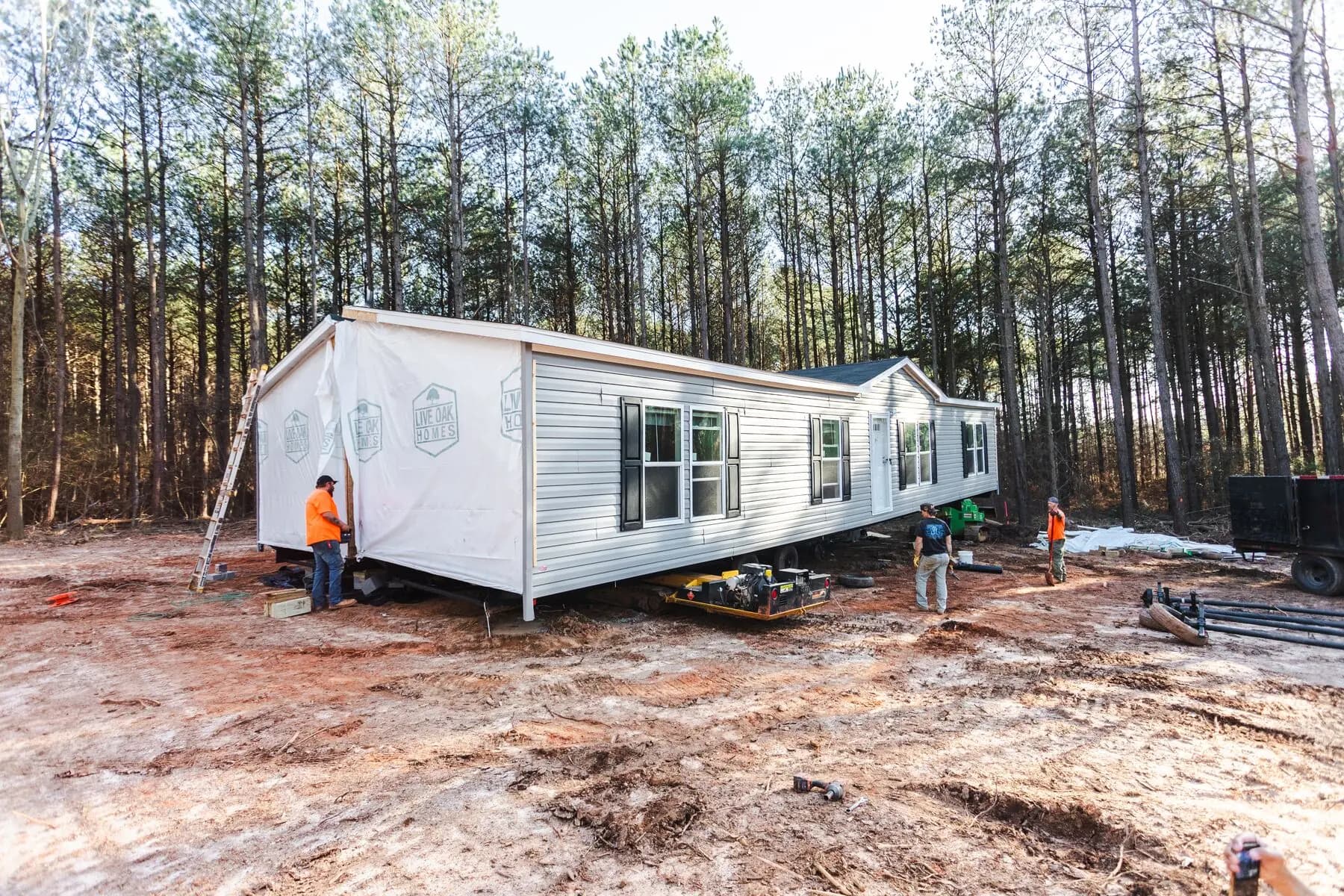
Georgia weather adds another layer. Red clay and recently disturbed soil may lose strength after a hard rain. Our large, purpose-built house tug gives Chris and the field team added control for many tight or uneven moves, but good equipment does not make unfinished access safe. Michael keeps readiness, weather, and scheduling connected so customers hear about a concern before the first module is waiting on the road.
That same discipline applies to the people on the project. The customer should know who releases the modules, who controls the site, who confirms the foundation, who provides placement equipment, who handles connections, and who follows with weather and finish work. Superior puts its own responsibilities in writing and asks about the surrounding work because a clean handoff protects the schedule. It also gives the next contractor a better starting point than a module left in an unclear position with no shared status.
Planning point / 01Plan modular delivery and staging.
A module should arrive to a known staging or placement position. The site also needs room for the next carrier, placement equipment, workers, and an empty-vehicle exit. Arrival order is part of the build sequence.
Planning point / 02Coordinate on-site setup and installation.
The foundation, transportation, crane work when used, rigging, placement, connections, weather close-in, utilities, inspections, and finish work may belong to different companies. Written handoffs keep fast field work from creating slow disputes.