Structural connection
Tie-down components connect at approved structural locations. The frame, home type, manufacturer guidance, and installed system affect where and how the connection is made.

Manufactured Home Transporter
Tie-down installation as part of a secure setup.
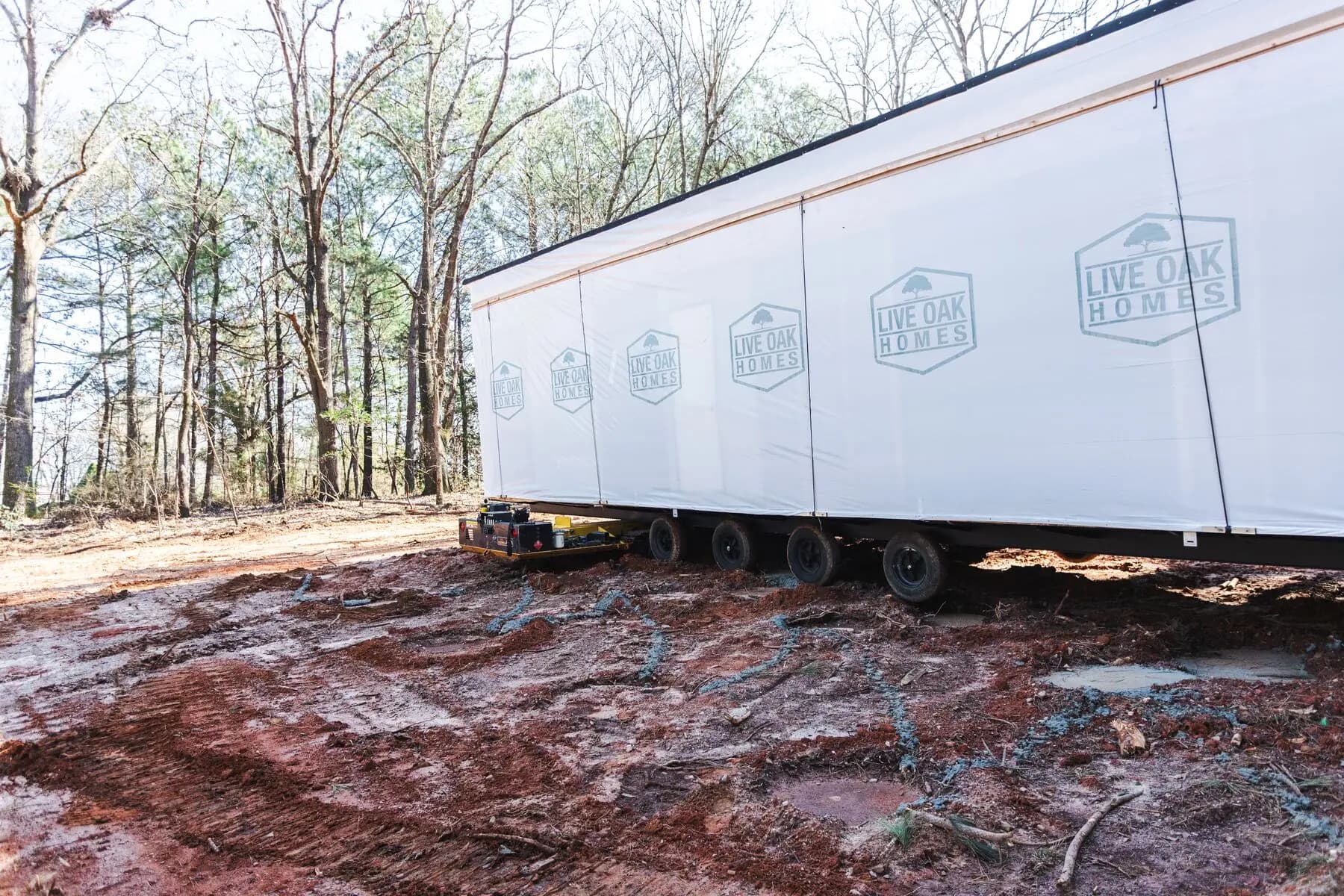
Connections that complete the anchor system
Manufactured home tie-down services in Georgia are part of the system that helps secure a home against movement. Straps or other approved connections run between structural points and anchors. Their location, routing, hardware, protection, and tension have to fit the home and the anchoring approach below it.
Superior treats tie-down work as part of the full setup. We first consider whether the home is positioned, supported, and level, then review anchors and connection paths. Installing a strap without understanding the rest of the system can miss the reason the component is there.
Anchor and frame connection review
Correct routing and hardware
Tension coordinated with level
Let’s get started
Tell us about your home, the services you need, and where your project is located.
What the work involves
Each part should form a clear load path from the home’s structure to the installed anchoring system.
Tie-down components connect at approved structural locations. The frame, home type, manufacturer guidance, and installed system affect where and how the connection is made.
Straps need a path that avoids harmful bends, sharp edges, damage, and conflict with other components. Routing should remain visible and serviceable where the system calls for it.
Compatible hardware secures the connection. Tension is applied with attention to home level, anchor position, strap condition, and the way adjustment can affect nearby supports.
The crew looks at the relationship among tie-downs, anchors, blocking, frame, grade, and visible site conditions. A failed support or loose anchor cannot be solved by tightening a strap.
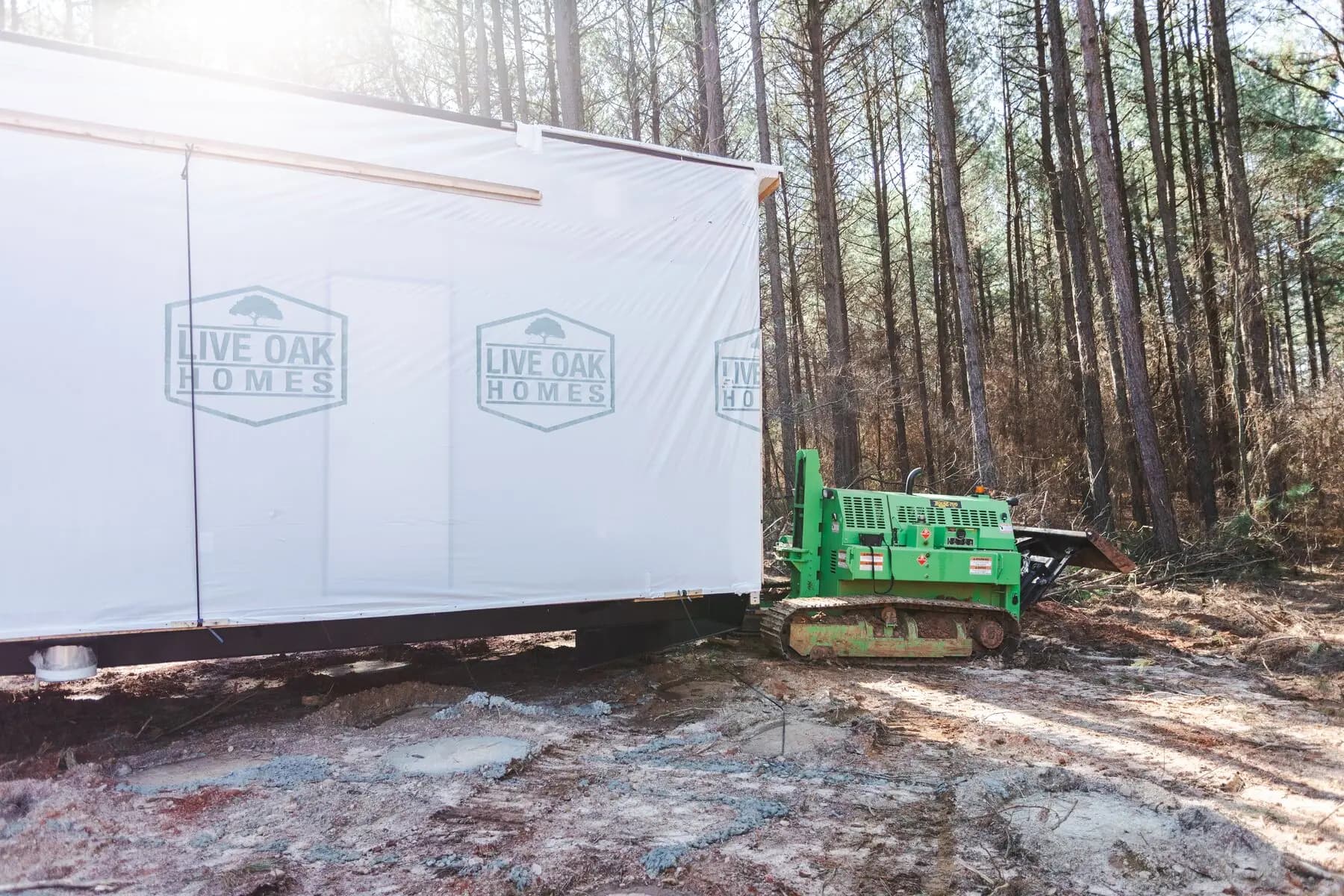
Before field day
Tie-down installation usually follows placement, blocking, and leveling. The crew needs clear access beneath and around the frame, with skirting, stored items, debris, animals, standing water, and other obstructions managed before the appointment.
For service on an existing home, share the age of the system, known storm or water events, prior adjustments, corrosion, loose straps, missing hardware, and any support movement. The visible symptom may point to a larger anchor or setup issue.
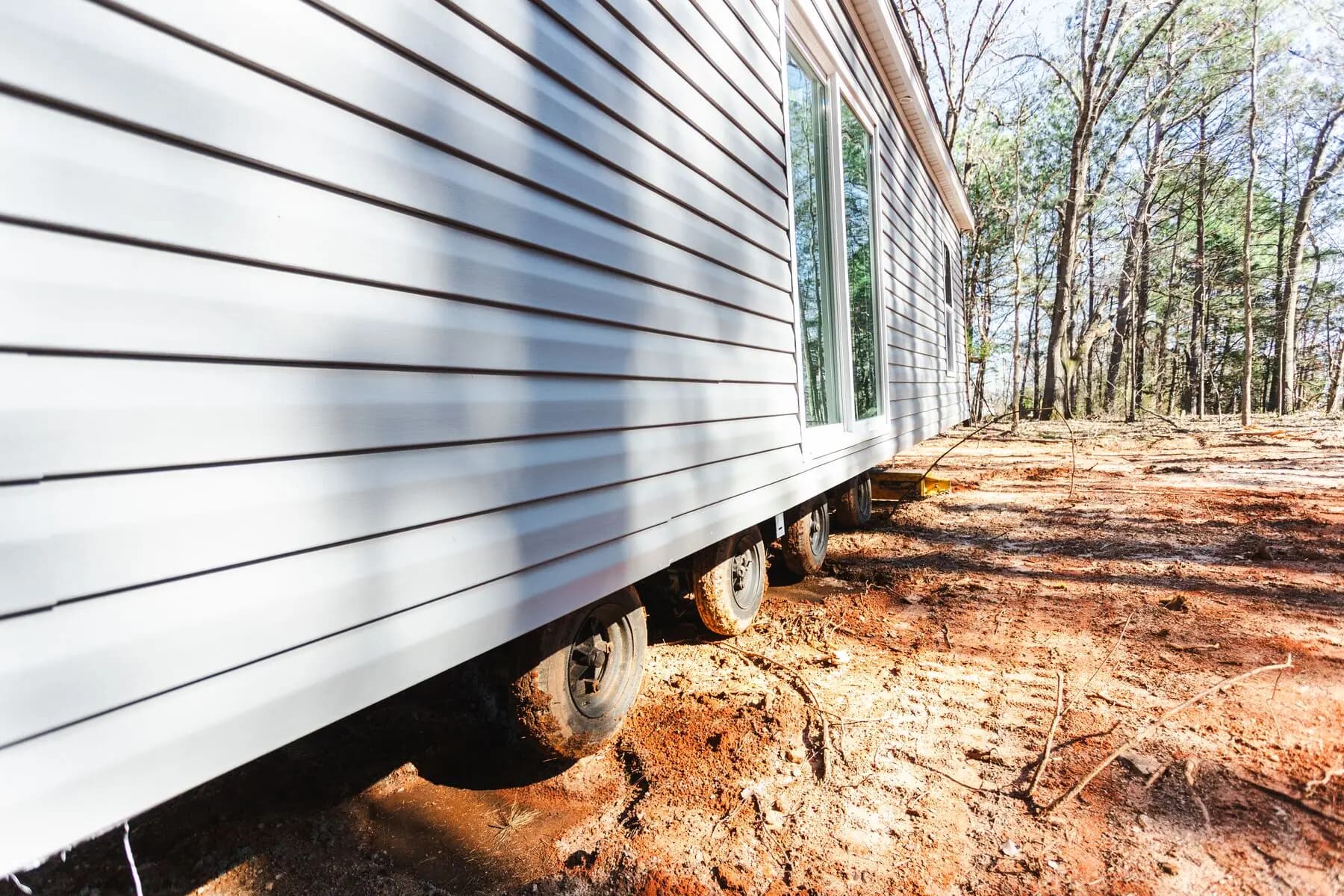
Our working sequence
A clear sequence keeps office planning connected to the crew, equipment, home, and site. The exact scope changes by job, but these are the main checkpoints.
The team checks available home, anchor, support, and tie-down information along with visible field conditions.
Structural attachment points and routes are identified before straps or hardware are placed.
Tie-down straps and compatible hardware are routed and connected as required by the selected system.
Connections are tightened in a sequence that respects level, anchor position, and the rest of the setup.
The crew rechecks visible connections and identifies separate support, anchor, drainage, or repair concerns.
Questions about the job?
A quick conversation can clarify the likely scope, the information we need, and whether the home and site are ready for the next step.
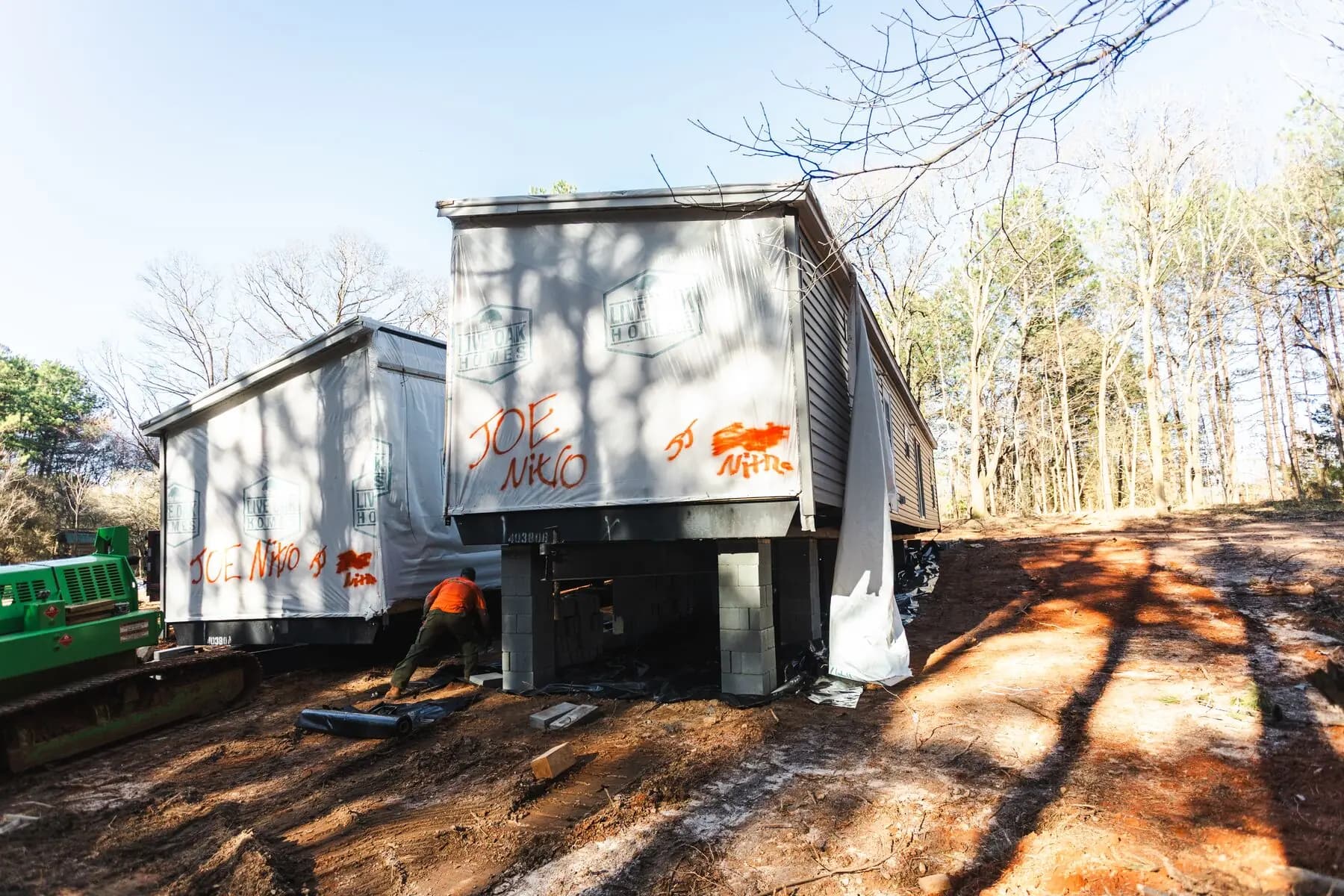
Made for Georgia conditions
Moisture, red clay, erosion, vegetation, and storm runoff can change the area around anchors and supports. Existing metal components can also show corrosion or damage over time. Owners should keep drainage working and the under-home area accessible for review.
Superior serves new installations and existing-home projects from its Monroe base. The same team can connect tie-down work with blocking, leveling, anchoring, re-leveling, and broader setup needs, reducing the gaps that happen when each component is treated by a different crew.
Questions customers ask
Good planning starts with direct answers. These are useful first steps; the home and both sites still need a project-specific review.
No. Anchors are installed in the ground or foundation system. Tie-down straps or approved connections link the home’s structure to those anchors. The parts work together but are not interchangeable.
The correct number and spacing depend on the home, system, dimensions, site, and applicable installation requirements. A project-specific plan is more useful than a generic count.
Sometimes adjustment is part of the work, but the anchor, strap, hardware, frame connection, home level, and support system should be reviewed first. Tightening against a failed component can create another problem.
New installations use an approved anchoring and restraint approach based on the home and project. Tie-downs or other connections may be part of that system. Installation documents and requirements guide the work.
Damaged or missing components can be reviewed for replacement within an agreed service scope. Compatible parts, anchor condition, attachment points, access, and the rest of the setup affect the repair plan.
A better first review
A price request becomes more accurate when it describes the home and the field conditions, not only the service name. You do not need perfect records to start, but clear facts help Superior spot missing work before it affects the schedule.
Provide the manufacturer, year, length, width, number of sections, current use, and identification information when available. Include photos of every side, the roof edge, frame, tongue, axles, tires, supports, and any visible damage. Tell us about leaks, additions, porches, decks, heavy finishes, repairs, or changes made after the home left the factory. Those details help the team understand condition and likely preparation before a site visit or field date.
Send wide photos or video from the public road through the driveway to the home. Measure gates and narrow points. Note ditches, culverts, low limbs, overhead wires, sharp turns, soft ground, slopes, fresh fill, septic areas, utility trenches, nearby buildings, and places where equipment might turn. For work involving two properties, document both. A clear view of access helps match the crew and equipment to the actual job.
Describe the requested timing and which tasks are already assigned to a dealer, park, utility company, site contractor, or other trade. State whether you need teardown, transport, delivery, foundation work, block and set, leveling, anchoring, tie-downs, permit support, or a handoff after one service. A written scope protects both sides. It also helps Michael give you a realistic sequence instead of a number that changes after the crew sees the missing steps.
Superior may still need an on-site review or more records before final scheduling. The purpose of this first package is to make the next conversation specific. Chris can prepare the field team for the conditions they are likely to meet, while Michael can connect customer responsibilities, permits, equipment, weather, and trade timing in the office plan.
The Superior standard
Michael Blanchard leads planning and customer coordination with the systems mindset he developed in engineering, construction project management, and manufactured home property development. Christopher Jones, Jr. leads the field work with lifelong construction and equipment experience, CDL transport capability, state-certified welding expertise, and multi-trade setup certifications. They make major decisions together, so the plan made in the office stays grounded in what the crew will face on site.
Superior Mobile Home Setup is based in Monroe and serves homeowners, dealers, parks, and rural properties across Northeast Georgia and surrounding counties. If you are comparing options for tie down services, start with clear home details, both locations, and an honest description of access.
View all manufactured home transporter servicesStart the conversation
Call us or send the home, location, access, and timing details. We'll review the project and explain the clearest next step.