Arrival order
Modules are identified by their place in the building and planned set sequence. The delivery schedule should bring them in an order that matches placement, while allowing for road travel and site limits.

Modular Home Transport and Setup
Scheduled delivery aligned with site and crew readiness.
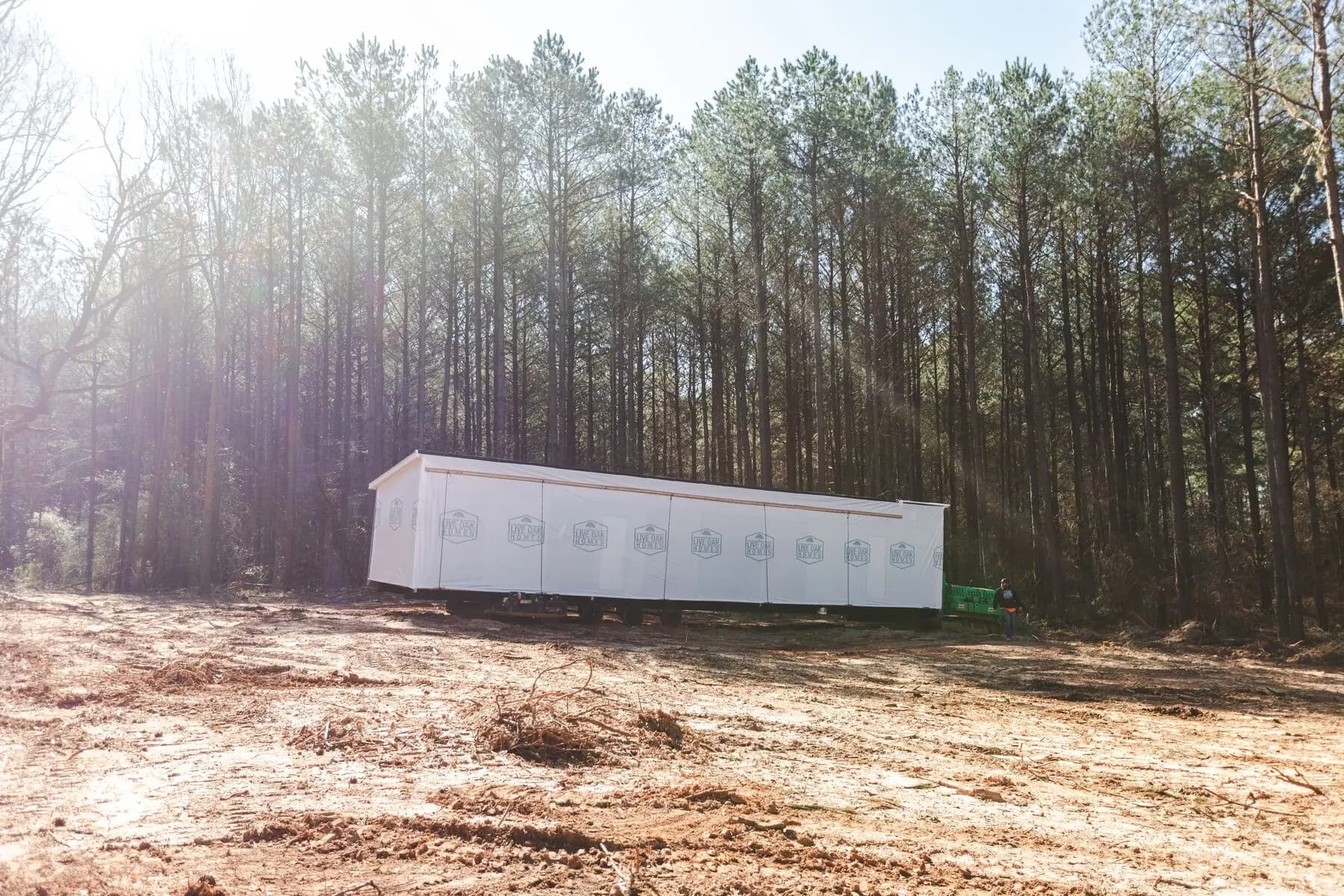
Arrival built around the set
Modular home delivery in Georgia is the point where a transportation plan meets the construction schedule. The module may have traveled many miles, but the most crowded and time-sensitive part of the job often begins at the property. Trucks, carriers, placement equipment, a crane when used, foundation crews, installers, and inspectors may all depend on a clear arrival order.
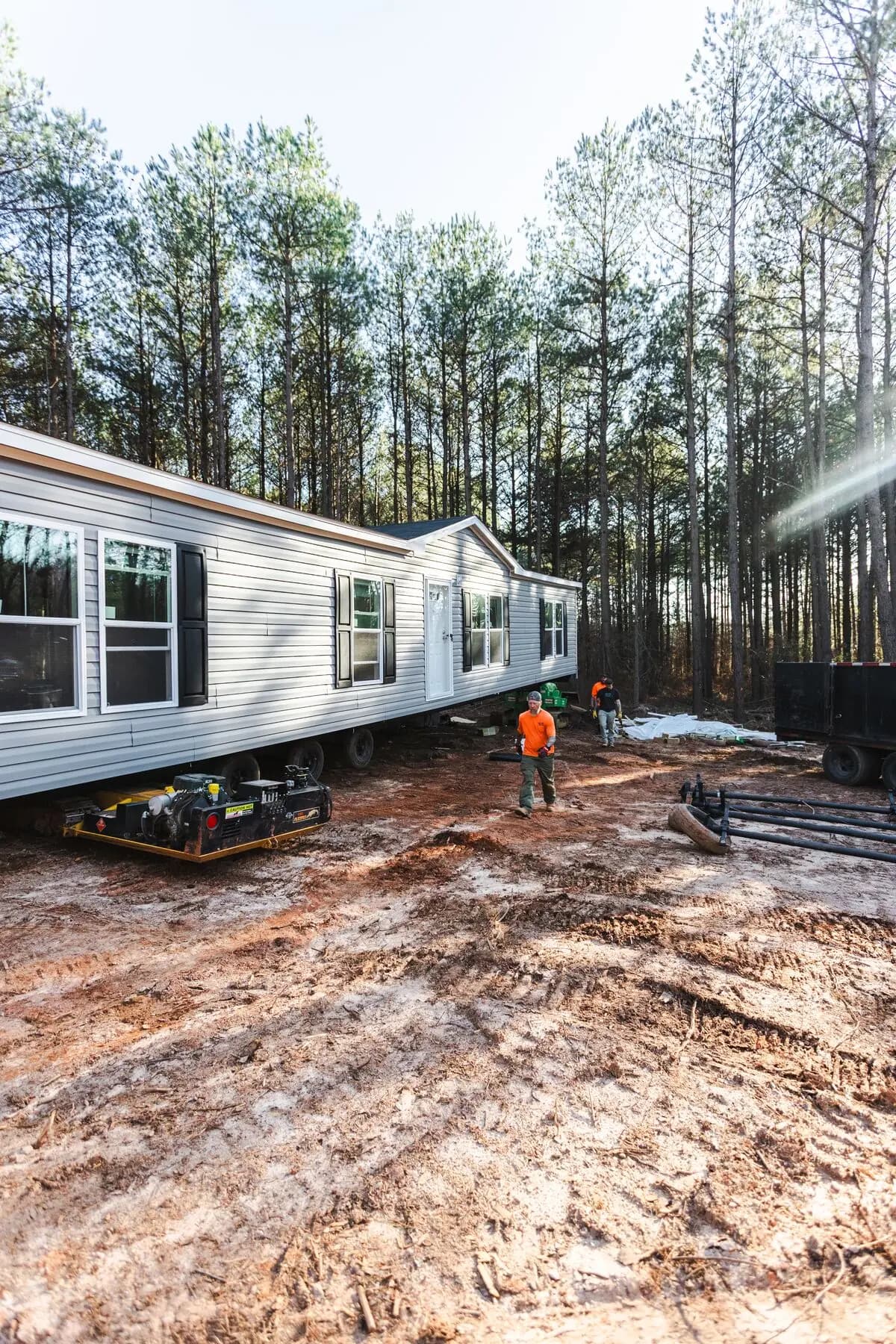
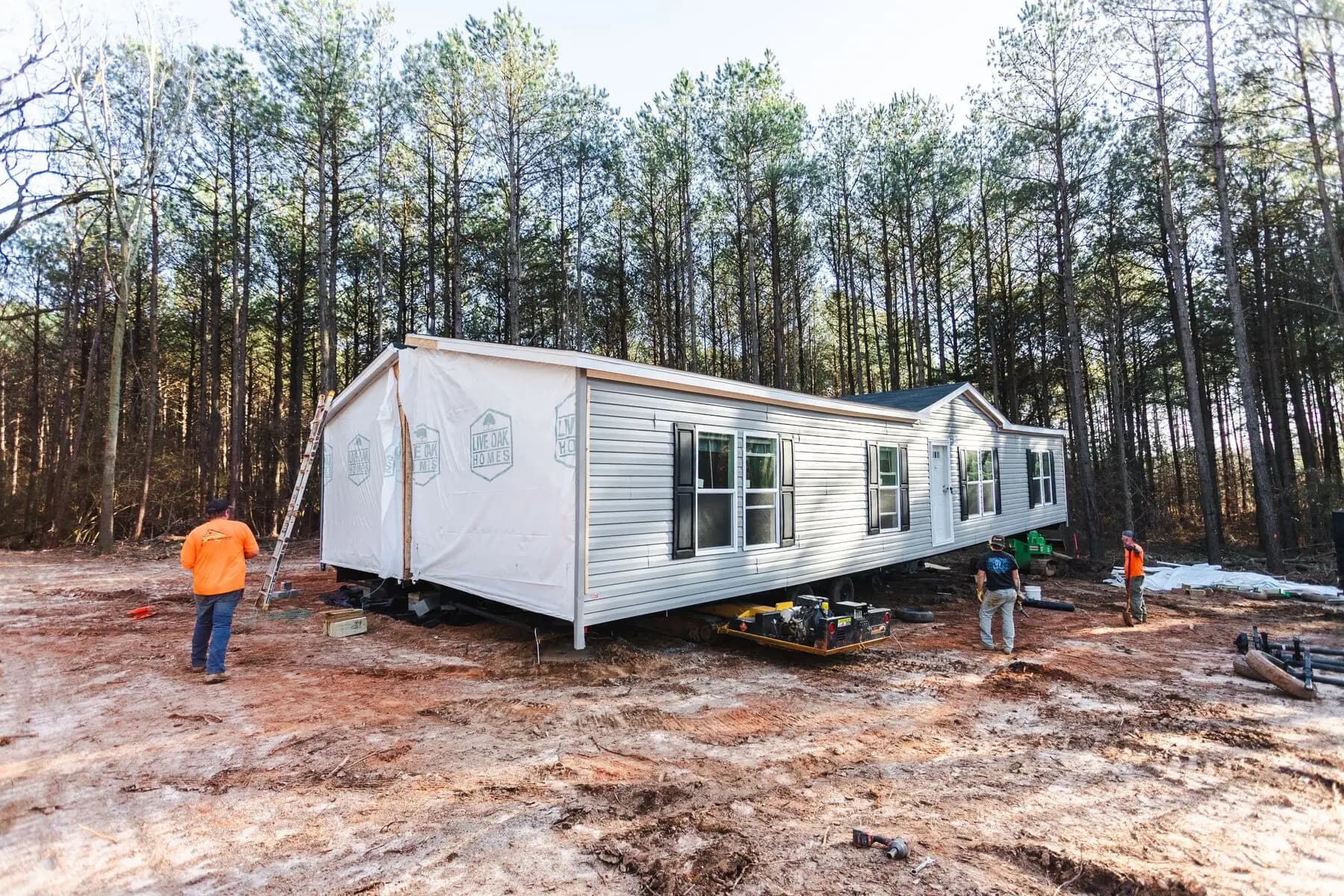
Superior coordinates delivery around the site rather than treating the driveway as the finish line. We review how each section enters, where it waits, which direction it faces, how empty equipment leaves, and who accepts the handoff. Clear delivery planning reduces extra handling and helps the set team keep moving.
Timed section arrivals
Staging and traffic flow
Delivery-to-installation handoff
Let’s get started
Tell us about your home, the services you need, and where your project is located.
What the work involves
The goal is not merely to reach the address. It is to support the field sequence without blocking the people and equipment that come next.
Modules are identified by their place in the building and planned set sequence. The delivery schedule should bring them in an order that matches placement, while allowing for road travel and site limits.
The crew needs a safe moment and angle to leave the public road. Traffic, shoulders, ditches, gates, grades, turning radius, and nearby obstructions affect how each carrier enters the property.
A module may go directly to placement or wait in a planned staging area. That area must be firm, large enough, correctly oriented, and clear of the paths needed by cranes, tugs, trucks, workers, and later loads.
Delivery responsibilities are stated before the date. The site team should know who directs arrival, who accepts each module, what placement is included, and when Superior's delivery scope is complete.
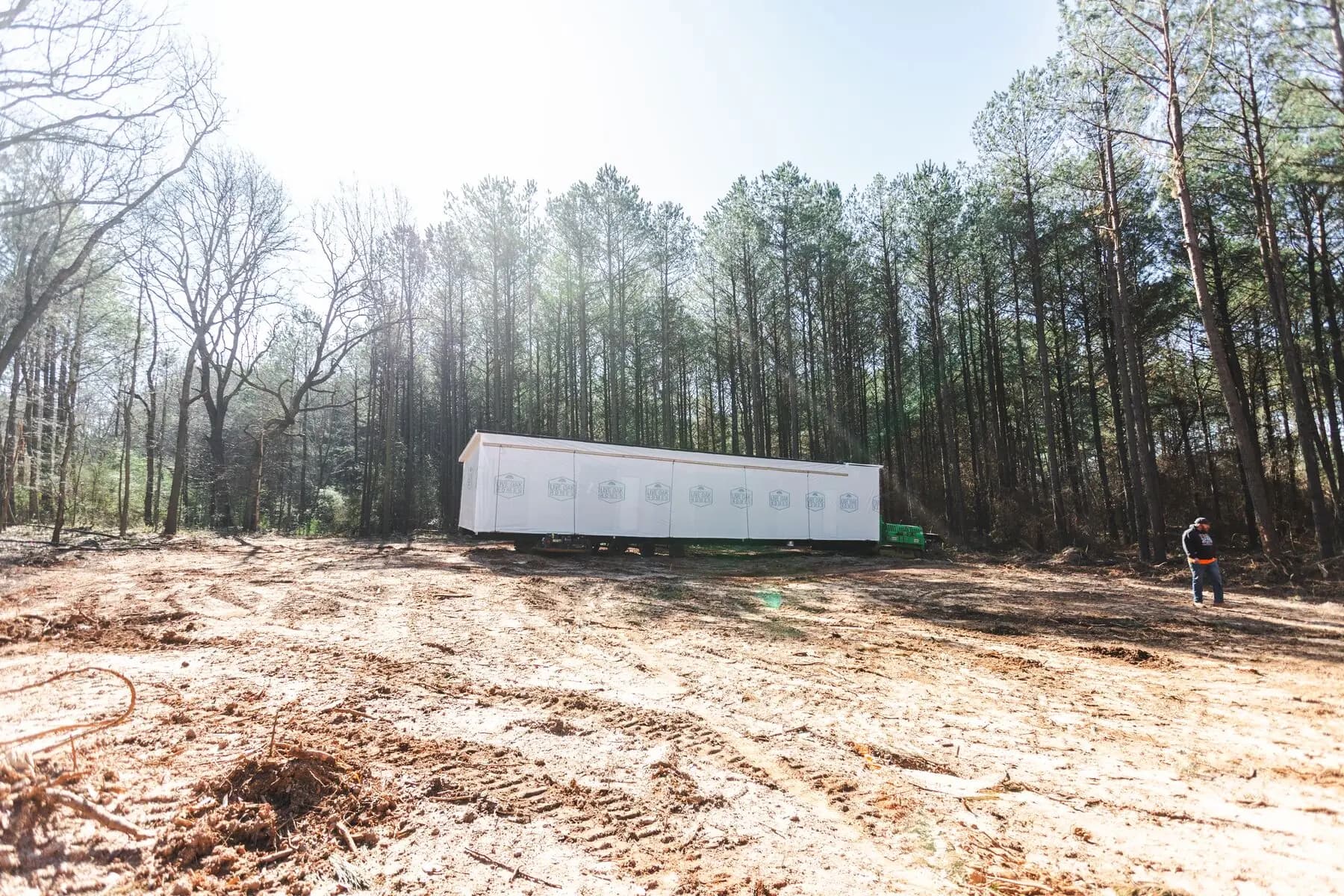
Before field day
Before delivery, the site should have a named field contact, current logistics plan, clear entrance, stable travel path, ready foundation, and open staging or placement zones. Foundation forms, material stacks, dumpsters, parked vehicles, utility trenches, and unfinished grading should not occupy space already assigned to delivery equipment. The site also needs a plan for empty carriers and trucks to leave without crossing the next arrival.
Timing should be realistic, not packed so tightly that one traffic delay creates a line of oversized loads. The manufacturer or release point, transport crew, site lead, and placement team need current contact information. Michael keeps those details organized in the office, while Chris makes field calls based on the conditions and sequence he sees at the property.
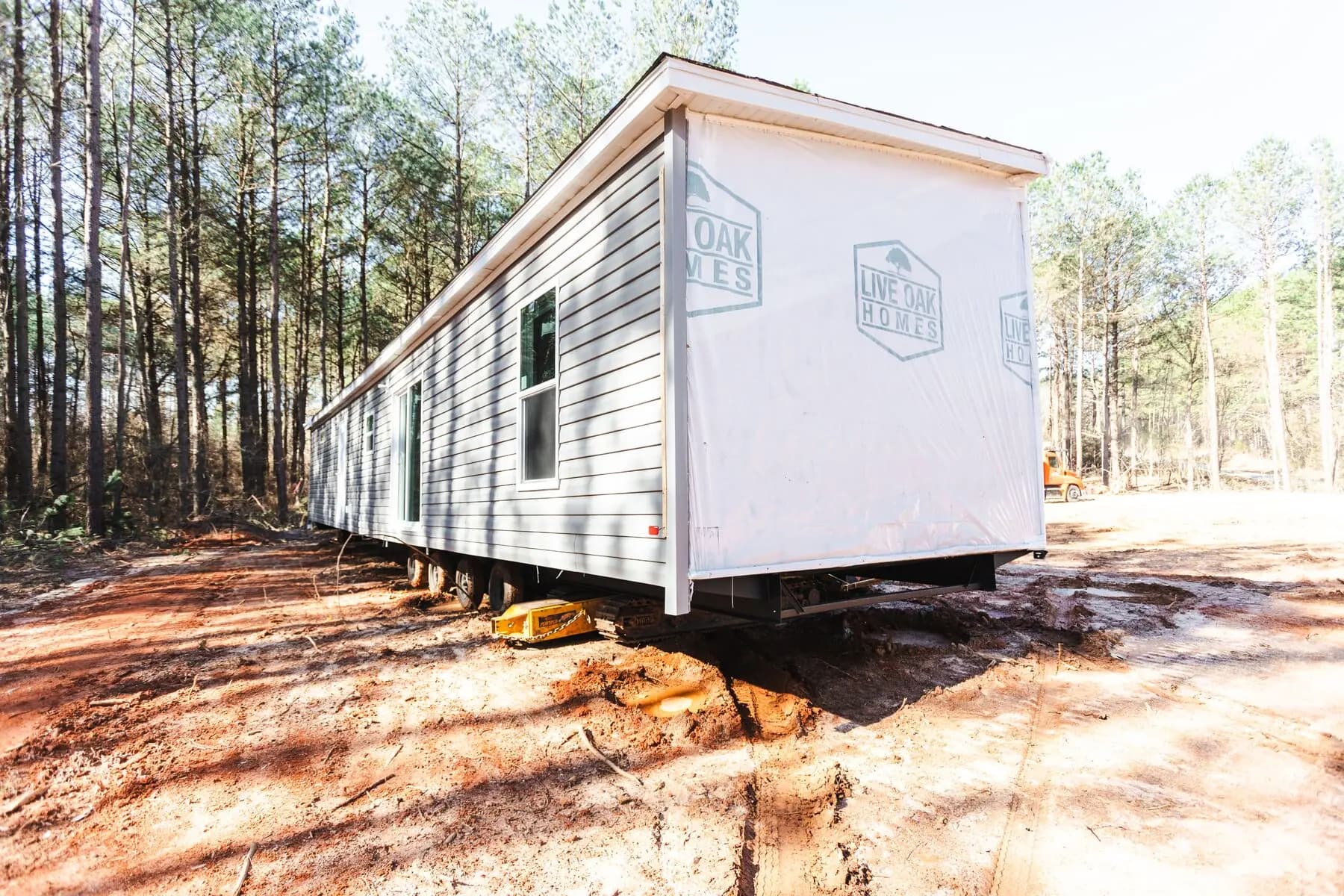
Our working sequence
A clear sequence keeps office planning connected to the crew, equipment, home, and site. The exact scope changes by job, but these are the main checkpoints.
We match module numbers, carriers, dimensions, origin release, requested dates, set order, and site contacts so the correct sections arrive in the correct sequence.
Entrance, travel lane, staging positions, foundation, equipment locations, worker areas, and exit route are reviewed as one working site rather than separate spaces.
Travel time, route limits, permits, traffic, set pace, and available staging room shape each arrival window. Updates are shared when the sequence changes.
The field lead checks the entrance and ground, directs the module toward its planned position, and adjusts movement when site conditions differ from the earlier plan.
The module is staged or positioned according to the written scope, its status is communicated, and the lane is prepared for the next load or contractor.
Questions about the job?
A quick conversation can clarify the likely scope, the information we need, and whether the home and site are ready for the next step.
Made for Georgia conditions
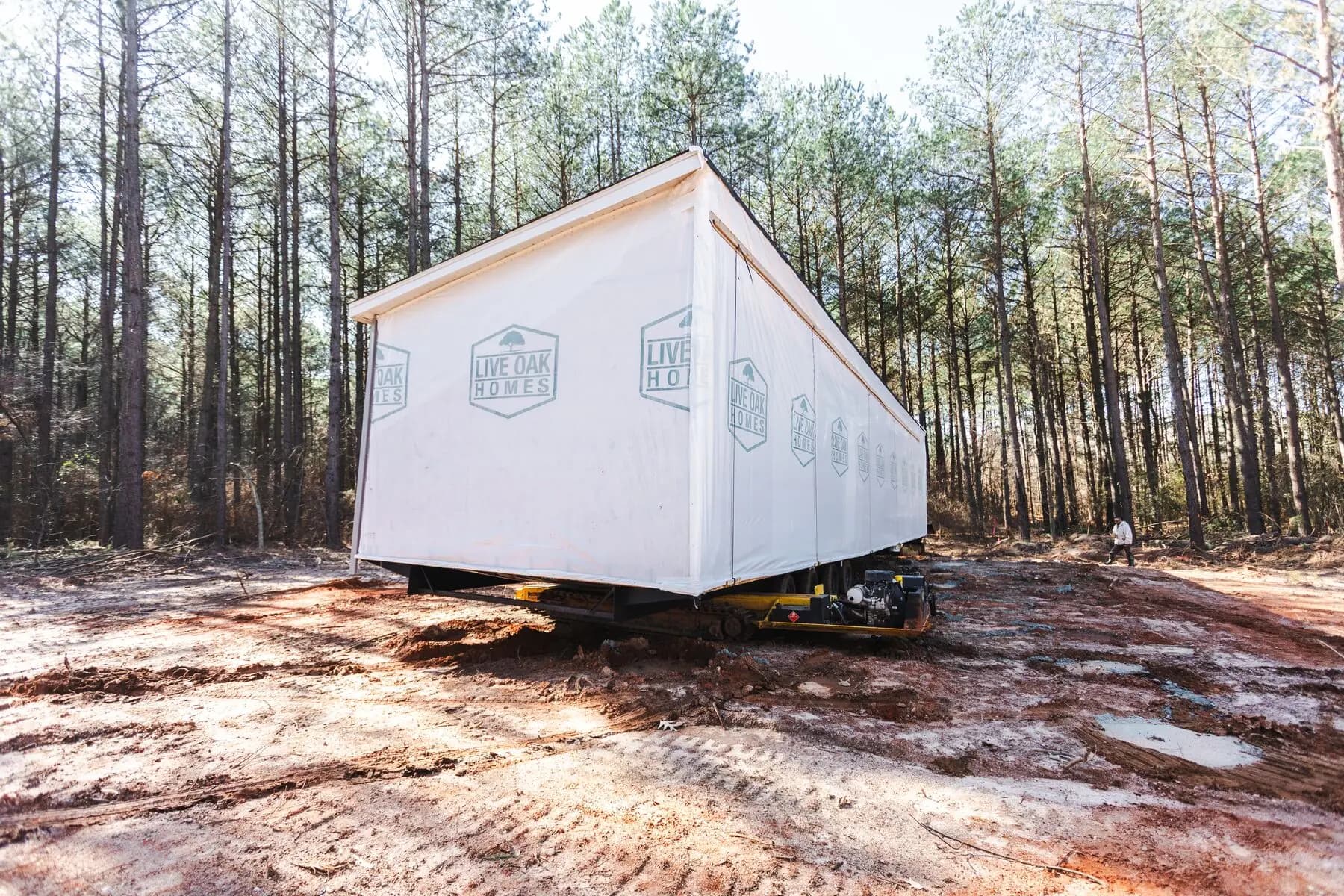
Northeast Georgia has clay soils that can become slick or soft after hard rain. Freshly cut roads and recently backfilled foundation areas may look dry on top while lacking support below. Delivery planning should protect those areas and identify where heavy carriers and equipment can travel without damaging the site or becoming stuck.
Superior's large house tug can help with controlled movement on tight or uneven sites. Just as important is the choice not to force a delivery when conditions no longer match the plan. Customers get direct updates about readiness because protecting the modules, workers, equipment, and construction schedule matters more than pretending the weather did not change anything.
Questions customers ask
Good planning starts with direct answers. These are useful first steps; the home and both sites still need a project-specific review.
Transport focuses on moving the module over the route. Delivery includes its arrival, entrance, staging or agreed placement, and handoff at the destination. They are closely connected, but site flow and set timing make delivery its own part of the project.
The required status depends on whether modules will be staged or placed and on the approved project plan. The foundation, backfill, access, inspections, and set-team readiness should be confirmed before dispatch. A delivery date should not be used to force unfinished site work.
That depends on the module dimensions, number of loads, carrier arrangement, set order, placement equipment, crane plan when applicable, and site shape. The useful answer comes from a scaled site plan, current photos, measurements, and input from the field team.
Many rural and sloped sites can be served with the right access and equipment plan. Grade, turns, soil, drainage, overhead clearance, entrance geometry, staging room, and the foundation approach need review before the job is accepted and scheduled.
The route and module release should be confirmed, the site lead should be present or reachable, access should be open, travel and staging areas should be firm, other trades should be in their assigned spaces, and the installation sequence should be current.
A better first review
A price request becomes more accurate when it describes the home and the field conditions, not only the service name. You do not need perfect records to start, but clear facts help Superior spot missing work before it affects the schedule.
Provide the manufacturer, model, module count, dimensions, weights, carrier details, approved drawings, delivery sequence, and available set instructions. Include current photos and identify roof sections, marriage walls, exposed finishes, lifting or connection points, and any factory notes that affect handling. Those records help the field team match transport and placement planning to the actual modular package.
Send wide photos or video from the public road through the entrance and across the construction site. Measure gates, turns, staging areas, and narrow points. Note ditches, culverts, low limbs, overhead wires, fresh fill, soft ground, slopes, foundation edges, utility trenches, neighboring structures, and the planned carrier or crane positions. A clear site view helps the team test the delivery sequence before the modules leave their origin.
Describe the requested timing and identify the manufacturer, dealer, builder, general contractor, foundation crew, crane provider, utility trades, finish crews, inspectors, and property contact when they apply. State whether you need transportation, delivery coordination, placement support, on-site setup, installation work, or a defined handoff. A written scope gives Michael the facts needed to connect each party without assuming that an unassigned task will somehow happen on set day.
Superior may still need an on-site review or more records before final scheduling. The purpose of this first package is to make the next conversation specific. Chris can prepare the field team for the conditions they are likely to meet, while Michael can connect customer responsibilities, permits, equipment, weather, and trade timing in the office plan.
The Superior standard
Michael Blanchard leads planning and customer coordination with the systems mindset he developed in engineering, construction project management, and manufactured home property development. Christopher Jones, Jr. leads the field work with lifelong construction and equipment experience, CDL transport capability, state-certified welding expertise, and multi-trade setup certifications. They make major decisions together, so the plan made in the office stays grounded in what the crew will face on site.
Superior Mobile Home Setup is based in Monroe and serves homeowners, dealers, parks, and rural properties across Northeast Georgia and surrounding counties. If you are comparing options for modular home delivery, start with clear home details, both locations, and an honest description of access.
View all modular home transport and setup servicesStart the conversation
Call us or send the home, location, access, and timing details. We'll review the project and explain the clearest next step.